Preserving Our Resources
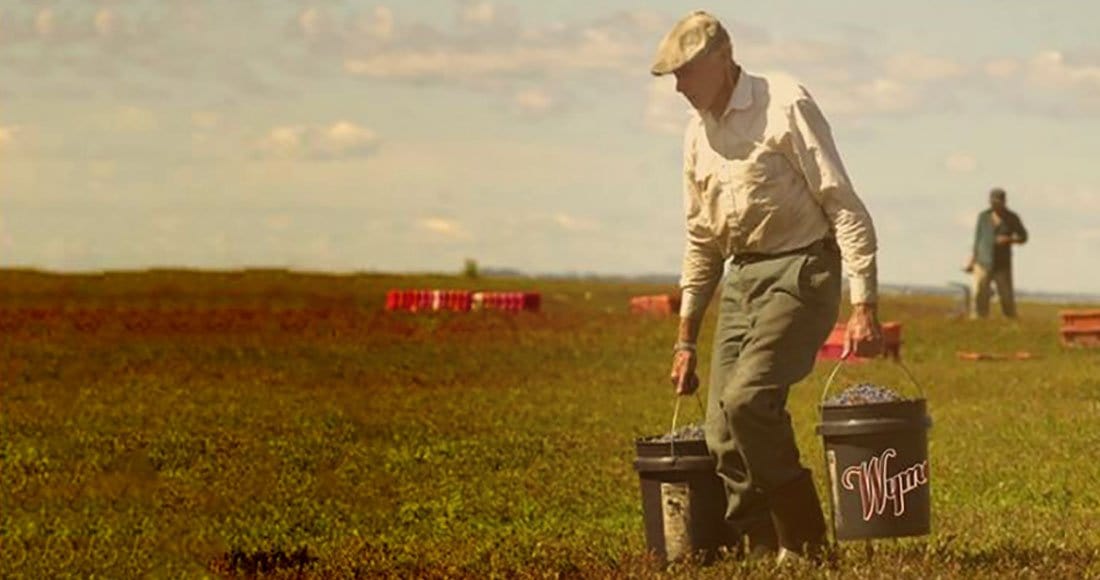
For over 150 years the Wyman family has made the preservation of our lands, and all who call it home, a foundational mission. From protecting vital pollinators to enhancing and fortifying our soil, water and air – we live these values every single day. And we always will.
Did You Know?
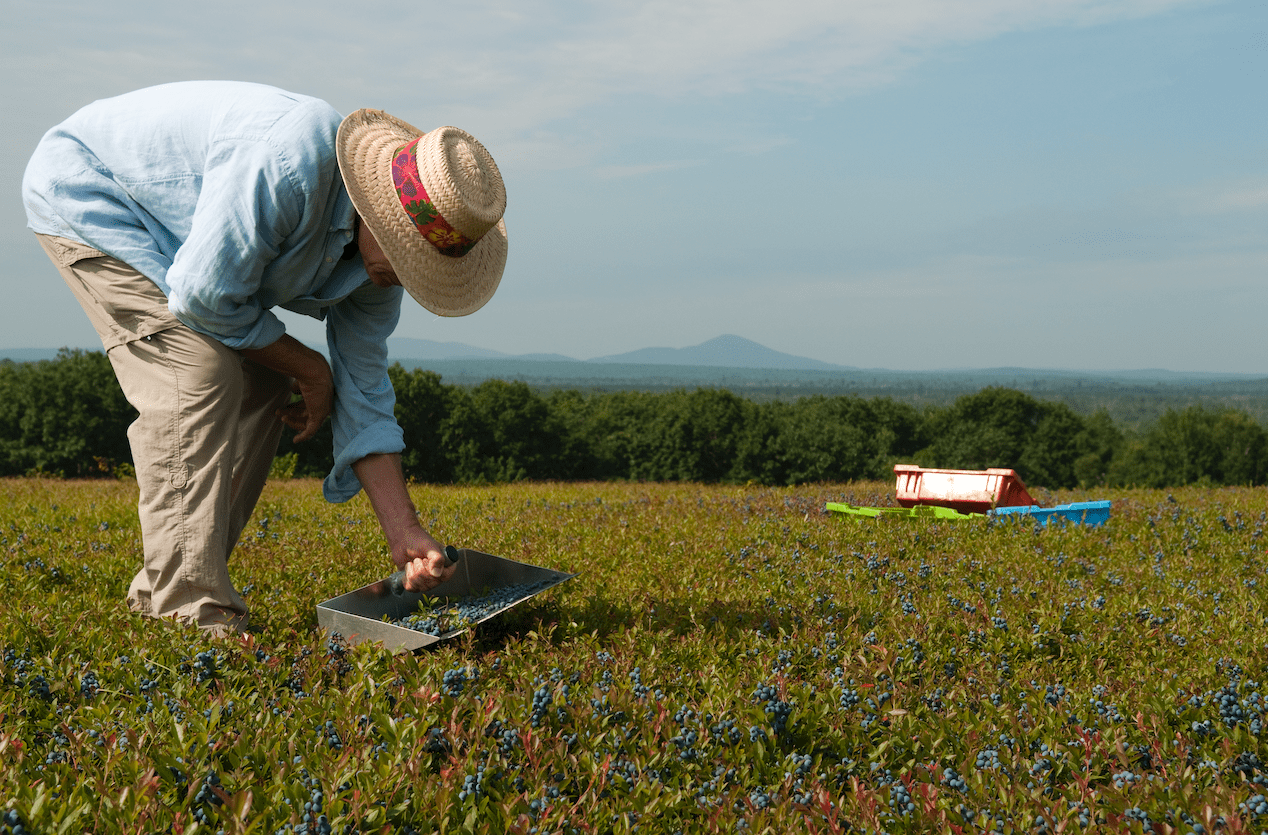
Wild blueberries are a ‘no till’ crop. No Till farming is an agricultural technique for growing crops or pastures without causing them harm. Through this method, we are eliminating the largest cause of soil erosion in our industry.
Working Lands
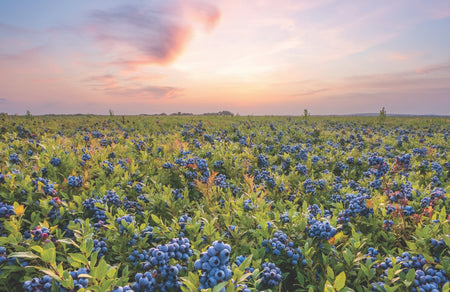
The wild blueberry barrens stretch as far as the eye can see. The American Pine Marten and the Snowy Owl patrol our skies. The majestic Moose and Black Bear roam our forests and streams, and the Atlantic Salmon and Upland Sandpiper are thriving in our many waterways. The thousands of acres we call home are shared by some of earth’s most incredible creatures, and the stewardship of our lands is just as much about protecting them, as it is about the wild berries and native pollinators who make it all possible.
Our Partners
To help grow a love and understanding of our complex ecosystem within the field of science, we have partnered with New England’s top research universities.

THE UNIVERSITY OF MAINE
In 2022, we funded the creation of the Wyman’s Wild Blueberry Research and Innovation Center at the University of Maine at the University of Maine – a first-of-its-kind facility to study the impacts of a changing climate on wild blueberry plants.
THE UNIVERSITY OF NEW HAMPSHIRE
We work with the University of New Hampshire’s Sustainability Institute and their Climate Action Clinic program on setting baselines and actively monitoring our Scope 1, 2 and 3 GHG emissions through their proprietary SIMAP software.
As part of the work we’ve done with University partners in understanding our opportunity to produce more clean energy, we are installing a ground-mounted solar array on 35 acres of non-productive wild blueberry land that is projected to be operational by the end of 2024 and generate 8.5 million kwh of clean energy in the first year.
-
No Bees, No Berries
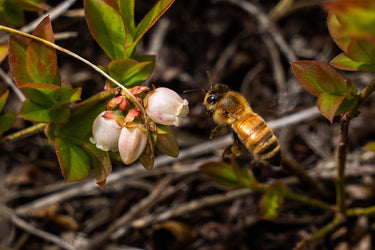
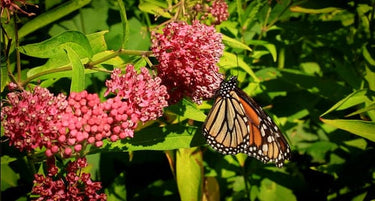
There’s a common saying up here in wild blueberry country: ‘no bees, no berries’. That’s because one third of the planet's produce, and one hundred percent of our wild blueberries, owe their very existence to the efforts of bees and other pollinators. So to better serve the over 200 species of wild bees and pollinators in our care, and the thousands of honeybee hives and bumblebee quads from our partner beekeepers who work our land, we stand as industry leaders in their preservation and vitalization each year. To learn more about the bees, and what we’re doing to help, click the links below.
-
Pollinator Research at Penn State University
Wyman’s helped to fund the creation of this center and remains actively involved today on the Advisory Committee.
Resources

A Guide to Exploring Native Plant-Pollinator Relationships
Family Guide to Native Berries
Looking for a fun way to start an edible garden? Try planting a patch of native berries!
Family Guide to Native Pollinators
Good things come in small packages!